
Podcasts




When You Don’t Recognise Yourself Anymore
The problem is — normal no longer exists.
You’re not broken.
You’re changed.
And that’s not something you can rush.

The Turning Point Didn’t Start in a Hospital
When I became ill, my world changed almost overnight. I went from a house full of noise and people to long stretches of time on my own.

I’m Not a Writer: How to Journal When Words Feel Hard
One of the biggest myths around journalling is that it has to be pretty, clever, or well written.
It doesn’t.

Journalling Through Guilt, Grief, and “I Should Be Fine By Now”
But just because I’d moved out of the situation didn’t mean the mental mess had gone with it.
The fear.
The guilt.
The grief.
They were all still there.
And there was no option for that part. No help. No intervention. Just the quiet expectation that I should be fine by now.

How to Keep Going Without Forcing Positivity Resilience Without Toxic Hope
Illness, trauma, and burnout have a way of stripping life back to its essentials.
For me, journalling became a place to re-ground myself — to remember what mattered when everything else felt overwhelming.
Relationships.
Family.
Health.
Coping with the everyday.

Sleep When Life Is Heavy: Why Rest Matters More Than Ever
There is nothing quite like lying in bed exhausted, desperate for rest, while your mind refuses to slow down.
You’re tired, absolutely exhausted but your thoughts are wired. You replay conversations. You worry about tomorrow. You think about everything you didn’t do today and everything waiting for you in the morning.

Creating a Sleep-Friendly Evening Rhythm
Sleep routines are not one-size-fits-all, and they are not fixed forever. What worked when children were small often needs adapting as they grow. Teenagers stay up later. Parents’ needs change. Life seasons shift.
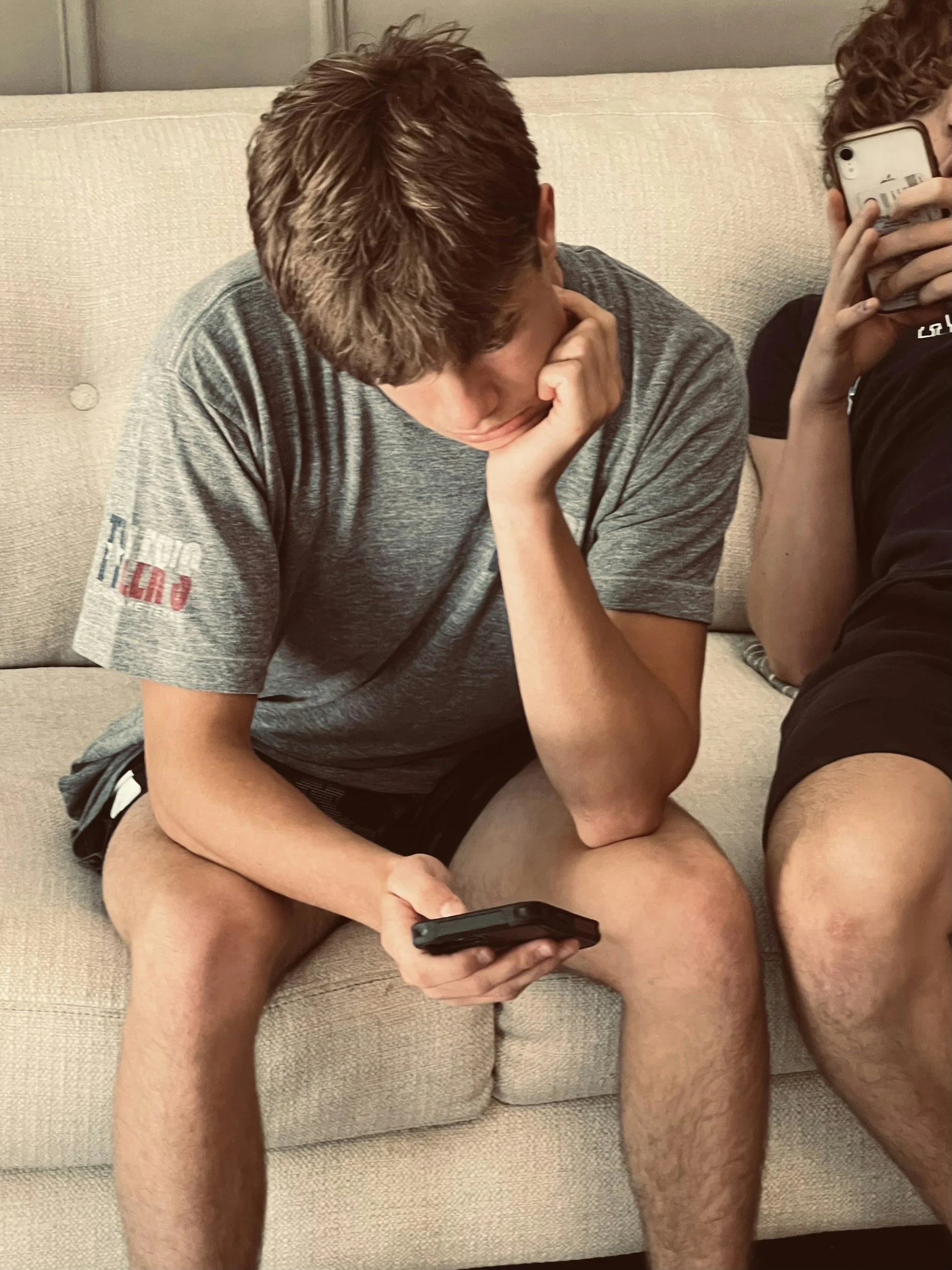
Teenagers, Screens, and Sleep
This is where it gets hard.
As parents, we want our teenagers to become independent. We don’t want to micromanage. We don’t want constant battles over phones. And yet, we also know that without sleep, nobody functions well — including us.

The 7-Day Teen Sleep Reset
Removing the expectation that something must work often makes it easier to notice what genuinely helps. Better sleep comes from understanding, not pressure.
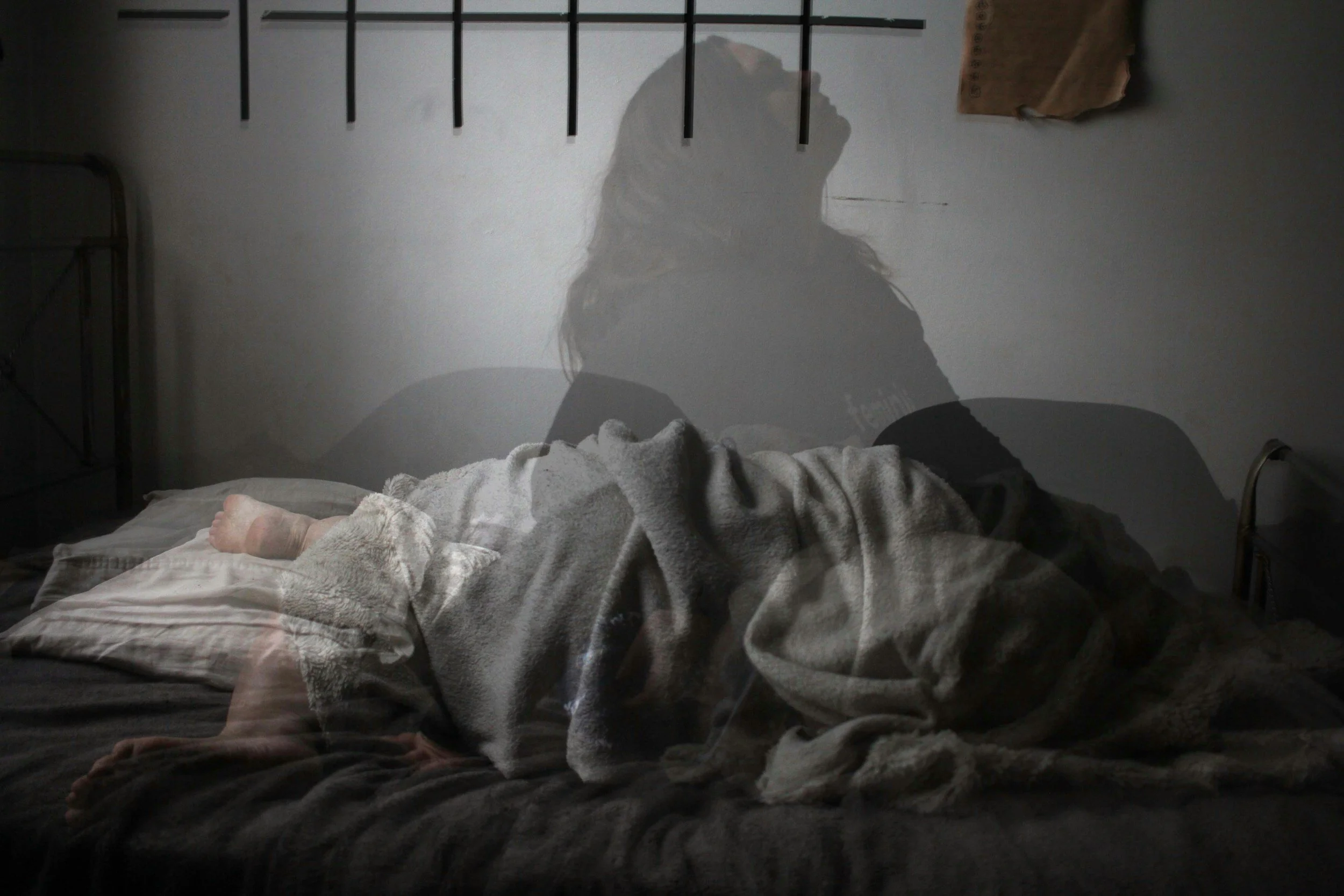
Early Waking
Stress is one of the most common reasons people wake in the early hours. When life feels uncertain — through illness, financial pressure, relationship strain, or responsibility — the body stays on alert.
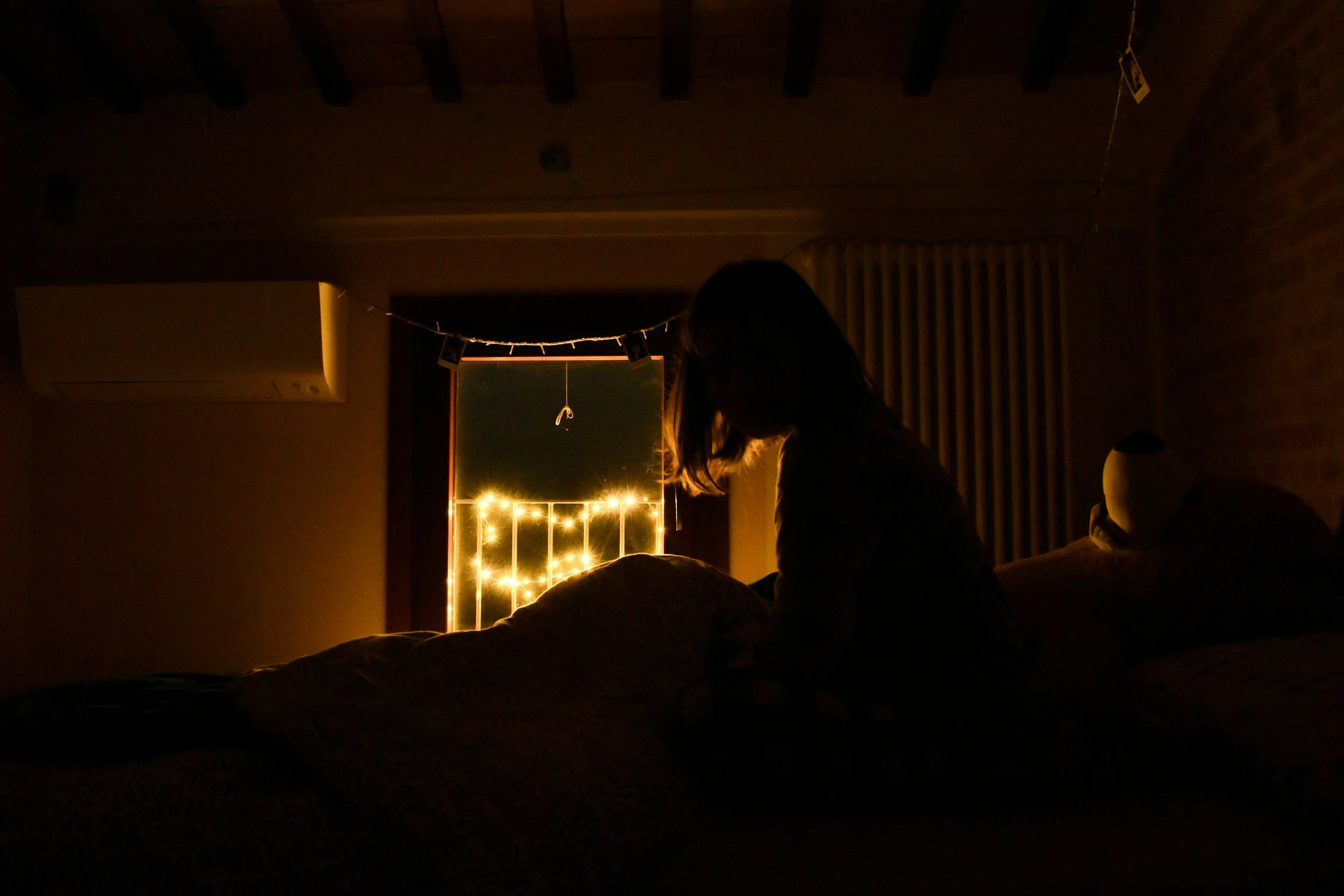
What to Do When You Wake at 3 a.m.
Waking in the early hours can feel unsettling, especially when your mind switches on before your body is ready. This guide isn’t about fixing you or forcing sleep. It’s about helping you feel safer, calmer, and more supported in that moment.